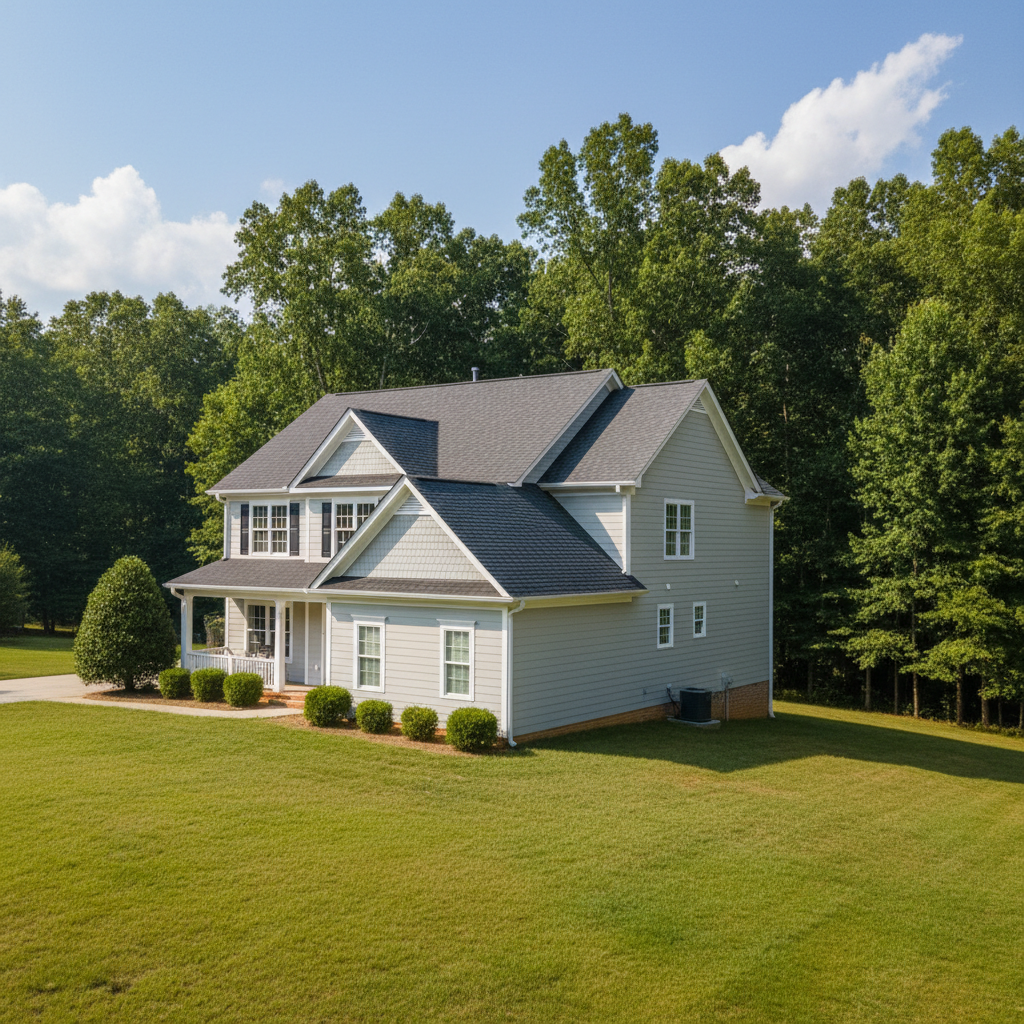
Your roof just took a beating, didn't it? Whether it was a nasty hailstorm rolling through Southern Village or those crazy high winds we get sometimes, storm damage is a headache nobody wants. But you're not alone, and getting it fixed doesn't have to be a nightmare if you know what to expect. I've been helping folks in Chapel Hill with this for years, so let's break down how to plan your storm damage repair project.
The Timeline: What Happens When?
First things first, after a storm, your head's probably spinning. The timeline for repairs can vary a lot, but here's a general idea:
- Immediate Action (Day 1-3): Safety first. If there's a gaping hole or active leak, get a temporary tarp up. Most reputable contractors, including us at Chapel Hill Roofing Solutions, can help with emergency tarping to prevent further damage while you sort things out. Contact your insurance company right away to file a claim.
- Inspection & Estimate (Week 1-2): Your insurance adjuster will come out. It's a good idea to have your chosen contractor present during this inspection. They can point out damage the adjuster might miss and ensure everyone's on the same page. Then you'll get an estimate from your contractor based on the adjuster's findings.
- Insurance Approval & Material Selection (Week 2-4): Once the insurance company approves the scope of work and the funds, you'll work with your contractor to pick out materials. Colors, styles, shingle types – this is where you make those choices.
- Scheduling & Repair (Week 4-8, sometimes longer): Good contractors are busy, especially after a big storm. Expect to wait a few weeks for your project to get on the schedule. Once they start, most residential storm damage repairs, like a full roof replacement, can take anywhere from one to three days, depending on the size and complexity.
- Final Walk-Through & Payment (Immediately after repair): Your contractor will do a final inspection with you, make sure everything's up to snuff, and then you'll handle the final payment.
Keep in mind, these are averages. A huge storm affecting thousands of homes can push these timelines out significantly. Patience is key, but so is staying on top of things.
What to Expect During the Process
Once you've got a contractor lined up and a start date, here's what you'll see happening:
- Material Delivery: A big truck will show up with all your new roofing materials. They'll usually drop it off in a convenient spot, often on your driveway or hoisted directly onto the roof.
- Protection & Setup: The crew will protect your landscaping, bushes, and anything else around your house with tarps. They'll set up ladders, safety equipment, and a dumpster for the old materials.
- Tear-Off: This is the noisy part. They'll strip off the old shingles, underlayment, and anything else that needs replacing. Debris goes straight into the dumpster.
- Inspection & Decking Repair: With the old stuff gone, they'll inspect the roof deck for any damage or rot. If they find anything, they'll fix it then. This is often an additional cost, but it's crucial for a solid new roof.
- Installation: New underlayment, flashing, drip edge, and finally, your new shingles go on. They're usually working pretty fast, but they're also being careful.
- Cleanup: This is where a good contractor really shines. They'll do a thorough cleanup, often using magnetic rollers to pick up stray nails from your yard and driveway. You shouldn't find a single shingle scrap when they leave.
It's a pretty intense process, but it's usually over before you know it. Your yard might look a little messy during the work, but it should be spotless when they're done.
How to Prepare Your Home
You can make the whole process smoother for everyone. Here's what you should do before the crew arrives:
- Clear the Perimeter: Move patio furniture, grills, planters, and anything else breakable or valuable away from the house. Give them plenty of room to work.
- Protect Your Plants: If you have delicate plants or small trees close to the house, consider covering them with tarps or old sheets.
- Secure Loose Items: Anything hanging on your walls inside, especially near the ceiling, might vibrate loose during the tear-off. Take down pictures, mirrors, and delicate shelves.
- Park Vehicles Away: Keep your cars, boats, or RVs out of the driveway and away from the work zone to prevent accidental damage from falling debris or equipment.
- Inform Your Neighbors: Give your neighbors a heads-up about the upcoming noise and activity. A little courtesy goes a long way.
- Keep Pets Indoors: The noise and activity can be stressful for animals. Keep them inside or away from the house on repair days.
A little preparation on your end makes a big difference for the crew and helps prevent any mishaps.
Questions to Ask Before You Sign That Contract
Don't just sign the first thing put in front of you. You've got to ask the right questions. Here are some I'd recommend:
- Are you licensed and insured in North Carolina? This isn't just about a piece of paper; it protects you if something goes wrong. Ask for proof.
- What's your warranty on labor and materials? A good contractor stands behind their work. You want both a manufacturer's warranty on the shingles and a separate warranty on the installation.
- Can you provide local references? Talk to people they've worked for right here in Chapel Hill. See their work firsthand if you can.
- How do you handle unforeseen issues, like rotted decking? Get a clear understanding of how they communicate extra costs and get your approval before doing additional work.
- What's your cleanup process? Specifically ask about magnetic sweeps for nails. You don't want a flat tire a week later.
- Who is my main point of contact during the project? Knowing who to call with questions or concerns makes things much smoother.
- Will you help me navigate the insurance claim process? A contractor experienced with storm damage claims can be a huge asset, making sure you get everything you're entitled to.
- What's the payment schedule? Avoid contractors who demand 100% upfront. A reasonable deposit is fine, with the rest due upon satisfactory completion.
Asking these questions upfront saves you a lot of headaches down the road. You're making a big investment in your home, especially after storm damage, so you need to feel confident in the people doing the work. We're always happy to answer these and any other questions you've got at Chapel Hill Roofing Solutions. Your peace of mind is worth it.