When should I call for a roof repair instead of waiting?
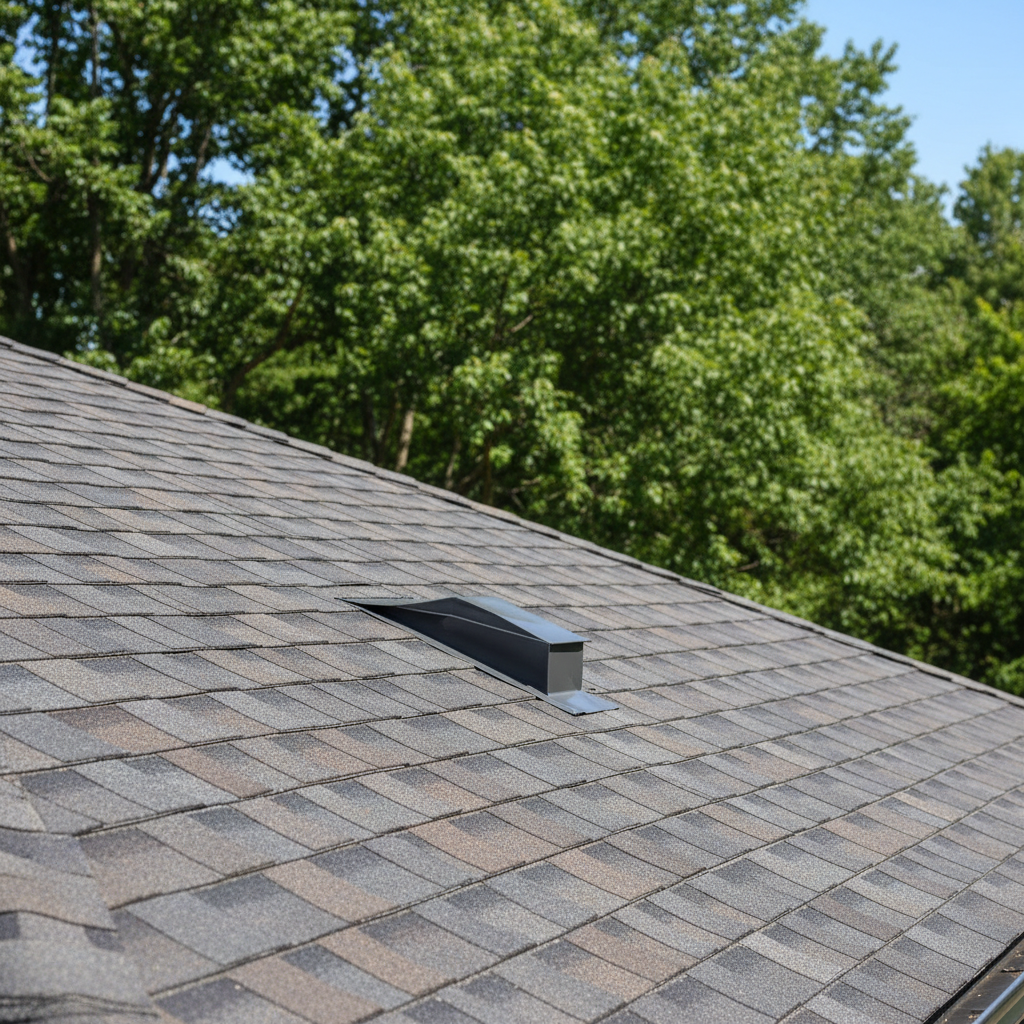
This is a big one. Honestly, if you even suspect you have an issue, you should call. Don't wait until you see water dripping into your living room. Small leaks can do a surprising amount of damage behind your walls and in your attic before they become obvious inside your house. Things like missing shingles, a few granules in your gutters, or a sagging spot on your roof are all clear signs. Even if it seems minor, it's usually cheaper and less disruptive to fix a small problem now than a big one later. I've seen folks in older neighborhoods like Meadowmont or Southern Village put off a simple shingle replacement only to end up needing extensive deck repair and insulation replacement because water got in and sat there for months.
How long does a typical roof repair take?
That really depends on the scope of the damage. A small repair, like replacing a few missing shingles or sealing a minor leak around a vent pipe, might only take a few hours. We can often get those done in a single morning or afternoon. If you've got more extensive damage, say from a fallen tree branch that punched a hole through your decking, or widespread shingle damage across a large section, that could take a day or two. We always aim to get it done efficiently without cutting corners. We'll give you a clear timeline after we've had a chance to inspect things properly.
Can I just patch my roof myself?
Look, I get it. You're handy, you want to save a buck. But for most roof repairs, I strongly advise against DIY. First off, it's dangerous. Working on a roof, especially a steep one or in wet conditions, is no joke. Falls are common and serious. Second, you might not identify the root cause of the problem. A leak might appear in one spot inside, but the actual entry point on the roof could be several feet away. You also need the right materials and techniques to ensure the repair lasts and doesn't void any existing warranties. A bad patch job can actually make the problem worse and more expensive to fix down the line. It's usually best to leave it to the pros who do this every day.
What's the difference between a repair and a replacement?
Good question. A repair means we're fixing a specific, localized issue on your existing roof. Think of it like patching a flat tire. We're replacing a few shingles, sealing a flashing, or fixing a small section of damaged decking. A replacement, on the other hand, is when we strip off all the old roofing material down to the deck and install an entirely new roof system. That's like getting four new tires. We'll recommend a repair if the damage is isolated, your roof is still relatively young, and the overall integrity is good. If your roof is old (over 15-20 years for asphalt shingles), has widespread damage, or is showing signs of general failure, then a replacement is usually the smarter, more cost-effective long-term solution.
Will my homeowner's insurance cover the repair?
It might, but it really depends on your policy and the cause of the damage. Most homeowner's insurance policies cover sudden and accidental damage, like damage from a storm, hail, or a fallen tree. They typically won't cover damage due to normal wear and tear, lack of maintenance, or neglect. If you think your damage might be covered, we can help you through the process. We've worked with plenty of insurance companies over the years. We'll provide a detailed inspection report and estimate that you can submit to your adjuster. Just be prepared to pay your deductible if it is covered.
How can I prevent future roof problems?
Prevention is key! It's not rocket science, but it does take a little attention. Here's what I always tell folks:
- Keep your gutters clean: Clogged gutters cause water to back up, which can seep under your shingles and rot your fascia boards. In Chapel Hill, with all our beautiful trees, this is a year-round job.
- Trim overhanging branches: Branches rubbing on your roof can wear down shingles, and a heavy limb falling during a windstorm can do serious damage.
- Get regular inspections: I recommend a professional roof inspection every 2-3 years, especially after a severe storm. We can spot small issues before they become big, expensive ones.
- Address minor issues quickly: Don't ignore that one missing shingle. It's a gateway for water.
Taking these steps can significantly extend the life of your roof and save you a lot of headaches and money down the road. If you need a hand with any of this, or just want an honest opinion on your roof's condition, you know who to call. Chapel Hill Roofing Solutions is always here to help our neighbors.