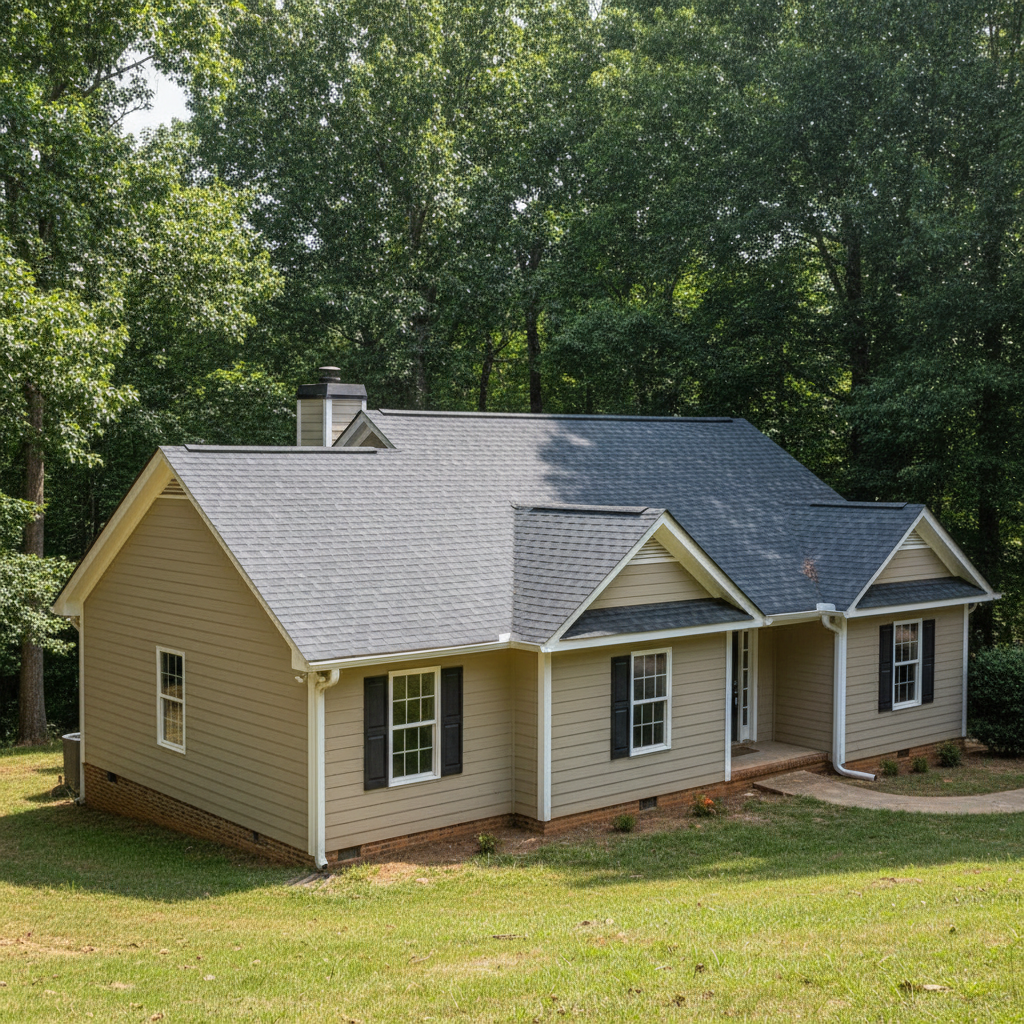
Is it time for a new roof? You're probably wondering what that's going to set you back. I get that question all the time. Nobody wants to overpay, and nobody wants surprises. So, let's talk real numbers for roof installation right here in Chapel Hill.
What Makes Roof Prices Go Up (or Down)?
Look, it's not a one-size-fits-all answer, but there are some big factors that always play a role. Understanding these helps you see why one quote might be different from another.
- Roof Size & Complexity: This is a no-brainer. A bigger roof means more materials and more labor. But it's not just square footage; a simple gable roof is way easier (and cheaper) to install than a complex one with lots of valleys, dormers, and multiple pitches. Those extra cuts and flashing details add time and skill.
- Material Choice: This is probably the biggest variable. Asphalt shingles are the most common and usually the most affordable. Architectural shingles cost a bit more but look better and last longer. Metal roofs, slate, or cedar shakes? You're talking a significant jump in price, often double or triple asphalt.
- Old Roof Removal: If you've got an existing roof, it's gotta come off. Most towns, including Chapel Hill, only allow two layers of shingles. If you've got one layer, we can sometimes go over it, but removing the old stuff is usually better for the long haul and required if you have two layers already. That tear-off and disposal adds to the cost.
- Decking & Structural Issues: When we pull off the old roof, we inspect the plywood decking underneath. If it's rotted, water damaged, or just not up to code, it needs replacing. That's an extra cost per sheet. Sometimes, especially on older homes in neighborhoods like Meadowmont or Southern Village, you might find some minor structural issues that need addressing before a new roof goes on.
- Permits & Code: You need a permit for a new roof here in Orange County. That's a cost, and it means the work has to meet current building codes. Sometimes that means upgrading ventilation or adding hurricane clips, even if your old roof didn't have them.
- Accessibility: Is your house easy to get to? Can we park a dumpster close by? Are there steep grades or landscaping that makes it tough to work around? All these things can impact labor time and therefore cost.
Typical Roof Installation Costs in Chapel Hill
Alright, let's get down to brass tacks. For an average 2,000 square foot home (which usually means about 2,500 square feet of roof surface, accounting for pitch and overhangs), here's what you can generally expect for materials and installation, including tear-off of one layer and basic repairs:
- Standard 3-Tab Asphalt Shingles: You're probably looking at $9,000 - $14,000. These are your entry-level shingles, good for about 15-20 years.
- Architectural (Laminate) Shingles: This is what most folks go with these days. They offer a better look, better wind resistance, and a longer lifespan (25-30+ years). Expect to pay $12,000 - $18,000.
- Metal Roofing (Standing Seam): If you want something that lasts 50+ years and can handle our crazy summer storms and winter ice, metal is fantastic. But it's a big investment. Plan for $25,000 - $45,000+.
Remember, these are ranges. Your specific situation could be on the lower or higher end. For example, if you have a very steep roof, or extensive decking repair, that price will climb.
What Should a Good Quote Include?
When Chapel Hill Roofing Solutions gives you a quote, we make sure it's clear. Here's what you should expect from any reputable contractor:
- Detailed Scope of Work: Exactly what's being done. Tear-off? How many layers? New underlayment? What kind of shingles? Flashing details?
- Material Specifications: Brand, type, color of shingles, type of underlayment, ice and water shield locations, ventilation products.
- Labor Costs: Itemized or included in the overall price, but it should be clear what you're paying for.
- Permit Fees: Who pulls it? Is it included?
- Waste Disposal: How will the old roof be removed and disposed of?
- Warranty Information: Both for materials (manufacturer's warranty) and labor (contractor's warranty).
- Payment Schedule: When are deposits due? When are final payments due?
How to Avoid Overpaying for Your New Roof
This is important. Don't just jump on the first quote you get. Get at least three bids from different, reputable local companies. Make sure they're quoting on the same scope of work and materials so you can compare apples to apples.
Check references. Look at online reviews. Make sure they're licensed and insured – that protects you if something goes wrong. Don't fall for high-pressure sales tactics or contractors who demand a huge upfront deposit. A reasonable deposit is fine, but the bulk of payment should be due upon satisfactory completion.
And don't be afraid to ask questions. A good contractor will take the time to explain everything to you. You're making a big investment in your home, and you deserve to feel confident about it.